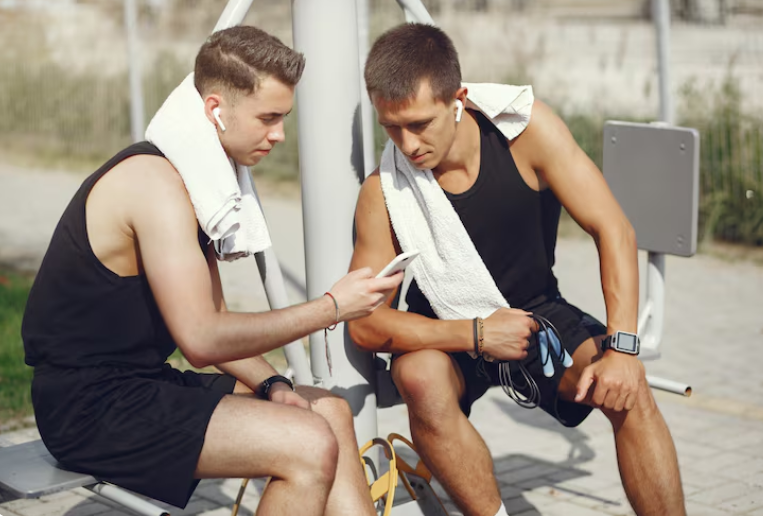
Becoming an athlete requires vigorous training, mental discipline and strategic planning. All this mental and physical effort can go to waste if you don’t allocate enough time for recovery. Each time you train your muscles experience micro tears that require proper healing time and recovery method to repair. So as much as you want to get back to training, you should still prioritize recovery.
Muscle repair and recovery is how an athlete gains their power back and this can keep them functioning optimally for a long period of time. Throughout history, athletes have used different ways to recover. Let’s explore these different recovery methods today.
Modern Recovery Method
Pills were used as a recovery method a lot but with advancement in technology, this trend is changing. These days athletes use sports enhancement patch for recovery, enhanced endurance, resilience and overall wellness. These patches are wearable and use bioenergetics and frequency based technology to deliver its result through skin contact. These patches are easy to use and more convenient than pills. So pills are largely being replaced by these patches, because they deliver the same result without the added side effects of pills.
Nutrition and Hydration
First and foremost thing, before even training, an athlete has to maintain a proper diet and hydration status. Make sure to take the required amount of protein according to your weight and height. Consult a professional sports dietitian to get a proper diet plan. Following a structured plan will not only help you stay on track, but you won’t even have any micronutrient deficiency. Along with protein, these micronutrients also play an important role in tissue repair and muscle recovery.
Quality Sleep
Sleep is our body’s natural recovery method. Poor sleep quality can hamper functioning even for a normal individual. For athletes, lack of sleep shows in the form of poor performance over time. Sleep is their body’s time to recover and repair all the wear and tear that happened during training.
Along with supporting physical recovery, sleep also helps improve cognitive skills like focus, decision making and response time, these skills are equally important for an athlete. Because you can have all the muscles and power, but they can only help if your mind is sharp enough to judge when to move in a certain angle.
Rest and Active Recovery
As an athlete, it’s very important to plan rest days to avoid burnout and overtraining. On these days, you can do low intensity activities like walking, cycling, yoga and swimming. These activities increase blood flow to the muscles without causing any additional strains.
Conclusion
Allocating Proper recovery time is the most important thing for an athlete, and using the right recovery method is also equally important. Any method you follow, keep these four Rs in mind, rehydrate, refuel, repair and rest. As long as these requirements are fulfilled, you will recover fully and perform at your maximum capacity.