Accessibility in hospitals is essential for ensuring that patients, visitors, and staff can move safely and efficiently. Hospitals are often busy environments, and everyone—from patients with mobility challenges to medical staff carrying equipment—needs easy access to different areas. One way to enhance accessibility and overall safety is through the use of medical facility door solutions. These doors are specifically designed to meet the needs of modern healthcare settings, providing convenience, safety, and efficiency.
The Importance of Accessibility in Hospitals
Hospitals are unique environments where time and movement can make a significant difference in patient care. Accessibility ensures that patients with limited mobility, elderly visitors, or staff with heavy medical equipment can navigate hallways and rooms without unnecessary obstacles. Poorly designed doors can slow down operations and increase the risk of accidents, such as trips or collisions. By investing in proper door solutions, hospitals can reduce barriers and create a more welcoming environment for everyone.
What Are Medical Facility Door Solutions?
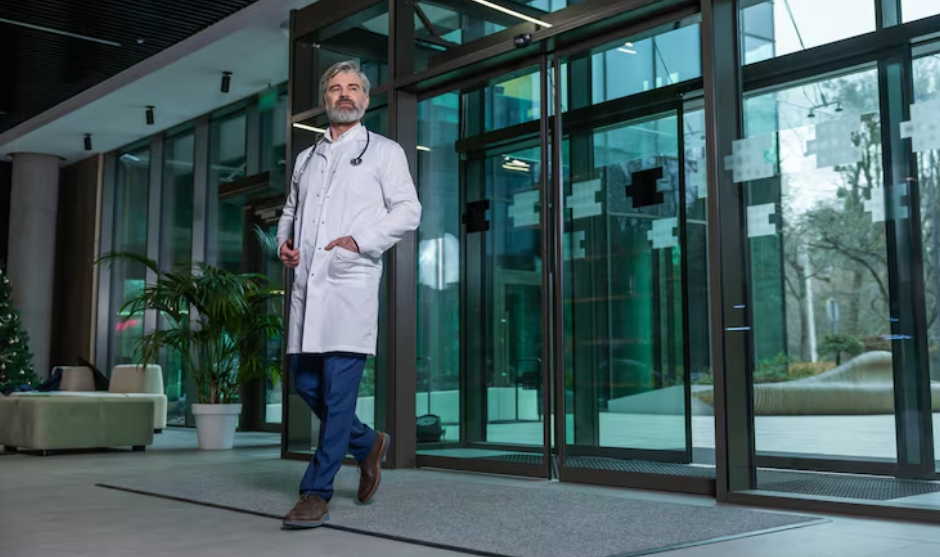
Medical facility door solutions include a range of door types and systems designed for healthcare environments. This can include automatic sliding doors, swing doors, fire-rated doors, and specialized access-controlled doors. These doors are built to meet the unique requirements of hospitals, such as hygiene, durability, and compliance with accessibility standards. For example, automatic doors allow patients in wheelchairs or on stretchers to enter rooms without needing assistance, while heavy-duty doors can withstand high traffic and frequent use.
Enhancing Patient Experience with Automated Doors
One of the main benefits of medical facility door solutions is improving the patient experience. Automatic doors, in particular, make it easier for patients to enter and exit treatment areas without strain. This is especially important for those with disabilities, injuries, or chronic conditions. When patients can move freely and safely, it reduces stress and creates a more positive hospital environment. Simple adjustments like sensor-activated doors can have a significant impact on the daily experience of patients and visitors.
Supporting Staff Efficiency and Safety
Medical facility door solutions also play a critical role in supporting hospital staff. Nurses, doctors, and other medical personnel often carry equipment or need to respond quickly to emergencies. Doors that are easy to operate, such as hands-free automatic doors, allow staff to move efficiently without slowing down critical procedures. Furthermore, properly designed doors can enhance safety by controlling access to restricted areas, ensuring that only authorized personnel enter sensitive zones such as operating rooms or medication storage areas.
Compliance with Accessibility Standards
Hospitals are required to meet certain accessibility standards to ensure equal access for all individuals. Medical facility door solutions are often designed to comply with these standards, including width requirements, door handle placement, and ease of use. By installing doors that meet these guidelines, hospitals can avoid potential legal issues while demonstrating a commitment to inclusivity. Compliance with accessibility standards is not only a legal obligation but also a reflection of a hospital’s dedication to patient-centered care.
Long-Term Benefits of Modern Door Solutions
Investing in high-quality medical facility door solutions offers long-term advantages. Durable materials and reliable automatic mechanisms reduce maintenance costs over time. Energy-efficient doors can also contribute to lower operating costs by improving climate control and reducing drafts. Beyond the financial benefits, these doors enhance the hospital’s overall reputation by creating an environment that prioritizes safety, efficiency, and accessibility for all visitors and staff members.
Conclusion
Medical facility door solutions are more than just functional elements—they are essential tools for improving accessibility, safety, and efficiency in hospitals. By incorporating automatic, durable, and compliant door systems, healthcare facilities can create a better experience for patients, visitors, and staff. From easing the movement of patients with mobility challenges to supporting staff during critical tasks, these door solutions help hospitals operate more smoothly and safely. Investing in the right door solutions is a step toward creating a hospital environment that is accessible, welcoming, and efficient for everyone.