Some sores just don’t take the hint. You give them a few days, avoid the foods that aggravate them, and wait, but the tenderness sticks around, and so does the frustration. At that point, what you rinse with actually matters.
A chlorine dioxide mouthwash used correctly can create the conditions your mouth needs to move the healing process forward rather than stall it.
Rinse with Dioxicare Mouthwash to Soothe Painful Canker Sores
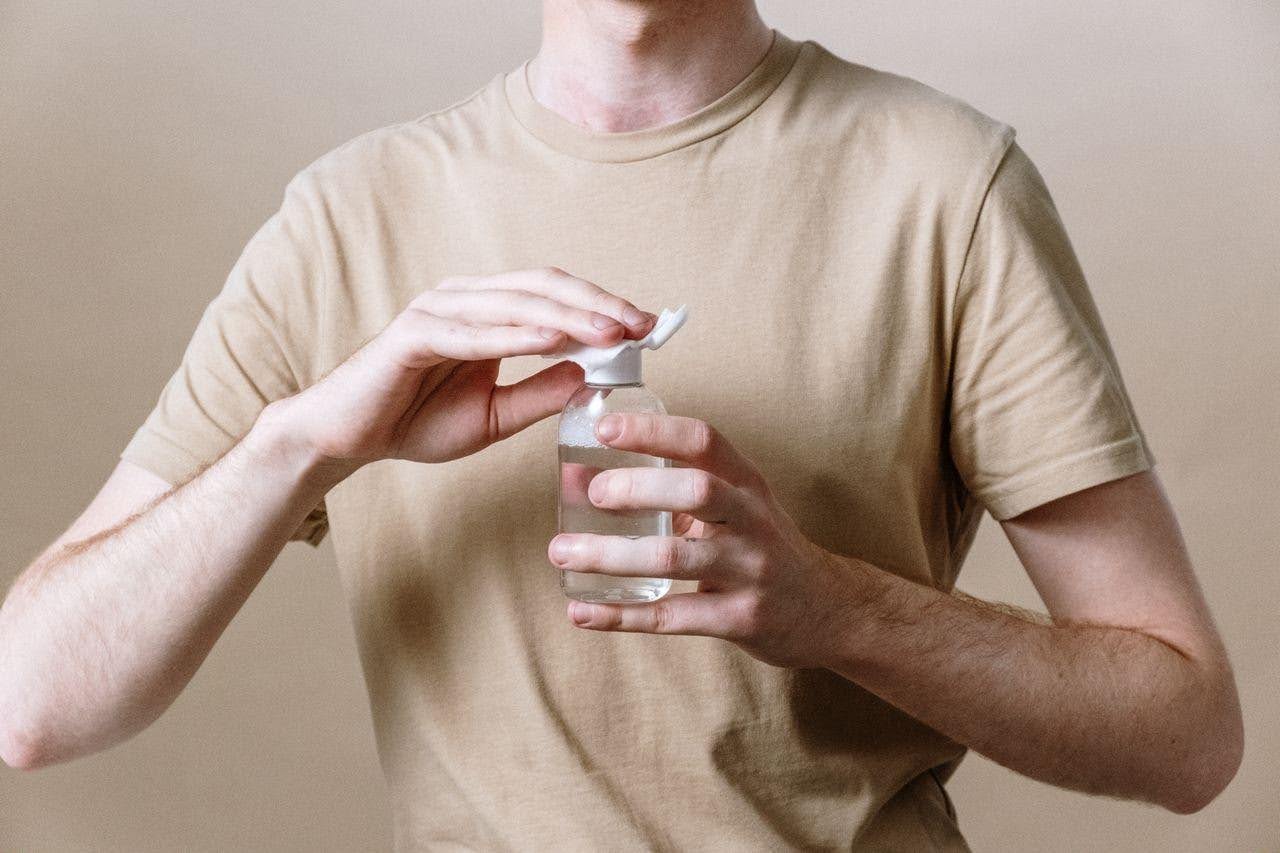
Pain relief is usually the first thing you want, and that is fair. Swishing gently with dioxicare mouthwash for 30 to 60 seconds coats the sore directly, calming irritated tissue without stinging or burning. The difference is noticeable quickly. Eating, talking, and even drinking stop feeling like small acts of bravery.
That immediate comfort also makes it easier to keep up with the rinse routine, which matters just as much as the rinse itself.
Use Chlorine Dioxide to Neutralize Bacteria and Speed Healing
Canker sores are not caused by bacteria, but bacteria still get in the way of healing. A busy microbial environment in the mouth creates ongoing irritation around the sore, slowing down the tissue repair your immune system is trying to do.
Chlorine dioxide (ClO₂) works as a powerful oxidizing agent, breaking down bacterial cell walls and reducing that load significantly. When the mouth is cleaner, healing has room to actually happen.
Apply Twice Daily to Reduce Inflammation and Irritation
One rinse a day leaves too many hours uncovered. Morning rinsing clears the bacterial buildup that accumulates overnight. Evening rinsing addresses everything that gathered during the day, food particles, microbial activity, the general wear on tender tissue.
Running both rinses consistently keeps the active ingredient working around the clock rather than in a single short burst. Less inflammation, fewer sharp flare-ups, and a more stable healing environment are what two rinses a day actually deliver.
Rinse Before and After Dental Procedures to Prevent Infection
An open canker sore during dental work is a vulnerability. Bacteria can enter tissue that is already compromised, delaying healing and sometimes making the sore worse than it was before the appointment.
A pre-procedure rinse lowers the bacterial count in your mouth before anything touches it. A post-procedure rinse then addresses whatever was introduced during the work. This two-step habit is a simple way to protect a sore that is already in the process of healing.
Use as a Gentle, Alcohol-Free Alternative to Harsh Mouthwashes
You might be surprised to learn that some mouthwashes actively slow down canker sore recovery. Alcohol-based rinses strip moisture from oral tissue and create a burning sensation that adds unnecessary stress to an already painful area.
They can also disrupt the balance of beneficial bacteria that your mouth depends on. An alcohol-free chlorine dioxide rinse avoids all of that. It is firm enough to do real antibacterial work and gentle enough to use on the most sensitive tissue without setting healing back.
Continue Rinsing Until the Sore Is Fully Healed
This is where most people fall short. The pain fades, and the rinse routine quietly disappears along with it. Then the sore flares up again, or healing stalls at the very end. Minor canker sores typically resolve within seven to fourteen days.
The tissue needs that full window to close properly, and rinsing consistently until it looks and feels completely normal is what makes the difference between clean healing and a sore that keeps coming back.