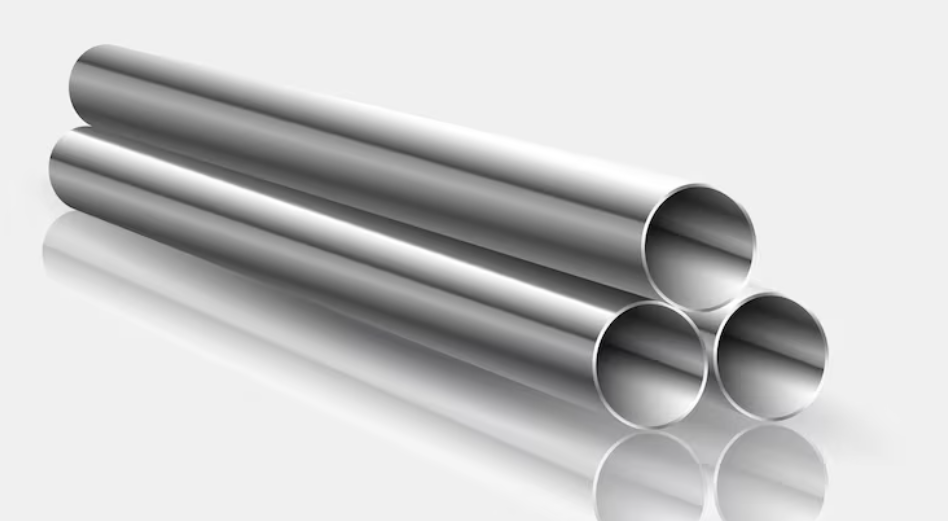
Choosing the right piping material is important for the safety, efficiency, and long-term performance of an industrial system. Different applications expose pipes to heat, pressure, chemicals, moisture, and other demanding conditions. A nickel alloy pipe can be a suitable choice when ordinary materials may not provide enough resistance or durability. However, selecting the right type requires careful consideration of the working environment, alloy properties, and system requirements.
Understand Your Industrial Environment
The first step is to understand where the nickel alloy pipe will be used. Consider the chemicals, gases, liquids, temperature, and pressure that the pipe will experience during operation. Some industrial environments are highly corrosive, while others involve extreme heat or changing temperatures.
A nickel alloy pipe is available in different grades, and each grade is designed to provide specific properties. Understanding the operating conditions helps you identify an alloy that can perform reliably without unnecessary material costs.
Consider Corrosion Resistance
Corrosion resistance is one of the main reasons industries choose nickel-based alloys. However, not every nickel alloy offers the same level of protection against every corrosive substance. Acids, alkaline solutions, seawater, chlorides, and other chemicals can affect materials differently.
Before selecting a nickel alloy pipe, identify the substances that will come into contact with the pipe. Check whether the chosen alloy is suitable for those conditions. Proper material selection can reduce corrosion-related damage, maintenance requirements, and unexpected system failures.
Check Temperature and Pressure Requirements
Industrial piping often operates under high temperatures and pressures. These conditions can affect the strength and service life of a pipe. Some nickel alloys maintain their mechanical properties better than conventional materials when exposed to elevated temperatures.
When choosing a nickel alloy pipe, review the expected operating and maximum temperatures as well as the internal pressure. The pipe’s wall thickness, dimensions, and alloy grade should all be appropriate for the system. Selecting a pipe based only on its size without considering operating conditions can create performance and safety problems.
Evaluate Strength and Mechanical Properties
Strength is another important factor when selecting industrial piping. The pipe must be able to handle pressure, vibration, thermal expansion, and other mechanical stresses that may occur during operation.
A nickel alloy pipe can provide excellent strength and durability, but the exact performance depends on its composition and manufacturing specifications. Review properties such as tensile strength, yield strength, hardness, and resistance to deformation before making a final choice.
Select the Appropriate Pipe Size and Specification
The correct dimensions are essential for efficient fluid or gas flow. Pipe diameter, wall thickness, length, and connection requirements should match the existing industrial system. An unsuitable size can affect flow rates and may also create installation difficulties.
It is also important to check relevant industry specifications and quality requirements. Working with a reliable supplier can help ensure that the nickel alloy pipe meets the required standards and has the appropriate documentation for your application.
Consider Long-Term Cost and Maintenance
The lowest purchase price is not always the most economical option. A high-quality nickel alloy pipe may have a higher initial cost but can offer longer service life and better resistance to demanding conditions. This can reduce repairs, replacements, downtime, and maintenance expenses over time.
Consider the total cost of ownership rather than focusing only on the initial purchase price. Choosing a material that matches the application can provide better value throughout the operating life of the system.
Conclusion
Selecting the right nickel alloy pipe requires a clear understanding of your industrial application’s conditions and requirements. Corrosion resistance, temperature, pressure, mechanical strength, dimensions, quality standards, and long-term costs should all be considered before making a decision. By carefully comparing these factors and consulting a dependable supplier or materials specialist, you can choose a nickel alloy pipe that provides reliable performance, durability, and value for your industrial system.