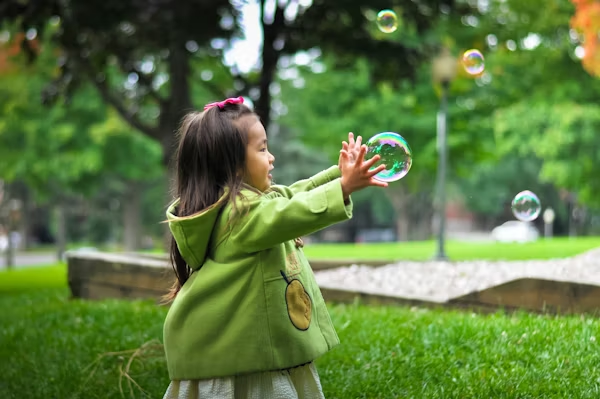
Childhood is a period of rapid growth, curiosity, and discovery. During these early years, children begin to develop the cognitive, emotional, and social abilities that shape their future learning experiences. One of the most effective ways for children to explore and understand the world is through play.
Learning through play allows children to develop essential skills in a natural and engaging way. Instead of relying solely on structured instruction, this approach blends fun activities with meaningful educational experiences, helping children grow while maintaining their enthusiasm for learning.
Encourages Natural Curiosity
Children are naturally curious and eager to explore their surroundings. Play gives them the opportunity to investigate objects, ask questions, and experiment with different ideas. Whether they are building structures with blocks, solving puzzles, or engaging in imaginative games, children learn by interacting with their environment.
This process helps them develop observation and reasoning skills. When children encounter challenges during play, they begin to think creatively and search for solutions. These experiences strengthen their curiosity and encourage them to continue exploring new concepts and ideas.
Supports Cognitive Development
Learning through play helps children build important thinking skills. Activities that involve problem-solving, counting, sorting, and pattern recognition stimulate brain development and improve cognitive abilities.
For example, building toys help children understand balance and structure, while puzzles teach them how to recognize shapes and patterns. As children experiment with different solutions, they learn how to evaluate outcomes and adjust their approach. These experiences lay the groundwork for more advanced academic skills later in life.
Improves Social Skills
Play often involves interaction with other children, which is essential for developing social abilities. Group play encourages cooperation, sharing, and communication. Through these interactions, children learn how to express their ideas, listen to others, and work together toward common goals.
Role-playing activities also help children understand different perspectives and emotions. When they pretend to be teachers, doctors, or family members, they practice empathy and learn how people interact in everyday life. These experiences help children build strong interpersonal skills that support healthy relationships.
Develops Emotional Confidence
Play provides a safe environment where children can express their emotions and explore their feelings. Through imaginative activities, children can act out situations, process experiences, and develop emotional understanding.
When children successfully complete tasks during play, they gain confidence in their abilities. This sense of accomplishment encourages them to take on new challenges and develop resilience when faced with difficulties. Over time, these experiences contribute to stronger self-esteem and emotional stability.
Strengthens Physical Development
Many forms of play involve movement and physical activity, which are important for healthy growth. Running, jumping, climbing, and balancing help children develop coordination, strength, and motor skills.
Fine motor activities such as drawing, building with small objects, or assembling puzzles also help children improve hand-eye coordination and precision. These physical abilities support many everyday tasks and prepare children for writing, sports, and other activities as they grow.
Promotes Creativity and Imagination
Imaginative play allows children to explore ideas beyond their immediate environment. When children create stories, pretend to run businesses, or invent characters, they are developing creativity and storytelling skills.
Creative play encourages children to think independently and generate new ideas. This ability to imagine possibilities is valuable not only in childhood but also in future academic and professional pursuits. Creativity helps individuals approach challenges with fresh perspectives and innovative solutions.
Learning through play is a powerful educational approach that supports children’s intellectual, social, emotional, and physical development. By allowing children to explore, interact, and experiment in engaging ways, play-based learning creates a foundation for curiosity, confidence, and lifelong learning.