A good CNC machine shop does more than turn raw metal into finished parts. It needs the right equipment, trained machinists, and reliable inspection methods to produce components that fit and function as designed. Buyers who understand these capabilities can better judge whether a shop can handle their project without repeated delays, dimensional errors, or costly rework.
Different CNC Machines Handle Different Manufacturing Jobs
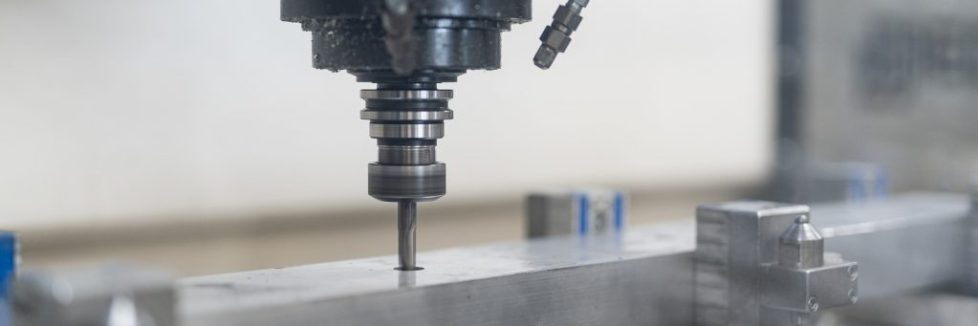
CNC milling machines use rotating cutting tools to shape stationary workpieces, making them suitable for brackets, housings, plates, and parts with complex features. CNC lathes work differently, spinning the material against a cutting tool to produce shafts, bushings, and other round components. Many precision machining companies use both types of equipment because a single component may require milling and turning operations. Multi-axis machines can also reach several sides of a workpiece, reducing the number of setups needed for complicated shapes.
Equipment capacity matters beyond the number of axes. Machine travel, spindle power, tool storage, and worktable size determine which parts a shop can produce efficiently. A large component may exceed the machine’s working area, while a small, detailed part might require specialized tools and fixtures. Buyers should compare these limits against their drawings rather than assuming advanced equipment can handle every project.
Skilled Machinists Know What to Check Before Cutting
Machine operators must understand technical drawings, material properties, tolerances, and cutting conditions. A programmer may create an accurate toolpath, but improper clamping or incorrect tool offsets can still ruin the part. Experienced machinists verify setups, measure critical features, and recognize unusual cutting sounds that may indicate tool wear or vibration. Businesses searching for CNC machining near me should consider a shop’s technical experience alongside its equipment list.
Machinists also need good judgment when a drawing leaves room for interpretation. For example, a thin aluminum wall may bend under excessive clamping pressure, while a deep hole may require special drilling methods to clear chips. Shops with experienced staff can identify these problems early and discuss possible changes with the customer before production begins.
Cutting Tools and Workholding Equipment Affect Accuracy
Even an expensive CNC machine cannot maintain accuracy with worn cutting tools or unstable fixtures. End mills, drills, inserts, and boring tools must match the workpiece material and required surface finish. Carbide tools handle many demanding applications, while specialized coatings help reduce heat and wear under suitable cutting conditions. Manufacturers offering machining services near me should understand which tooling choices provide consistent results without adding unnecessary production costs.
Workholding equipment is equally important. Vises, soft jaws, clamps, and custom fixtures keep components secure while cutting forces act on the material. Poorly supported parts may shift, vibrate, or bend during machining, creating dimensional errors that become apparent after removal. Reliable machining companies near me use fixtures that provide repeatable positioning and allow tools to reach the required surfaces without unnecessary repositioning.
Accurate Inspection Requires More Than Basic Measuring Tools
Micrometers and calipers work well for many routine measurements, but complex components may require additional inspection equipment. Coordinate measuring machines can check hole positions, surface relationships, and geometric tolerances that are difficult to verify manually. Height gauges, bore gauges, and surface roughness testers also provide useful information about finished parts. Buyers comparing CNC companies near me should ask how the shop measures critical features and documents inspection results.
Inspection accuracy depends on proper methods, not just the instruments themselves. Measuring a warm metal component can produce different results from checking it at a stable room temperature. Dirty contact surfaces, incorrect reference points, and poorly maintained gauges may also cause errors. Trained inspectors understand these conditions and follow documented procedures to confirm that parts meet the drawing requirements.
Machine Maintenance Keeps Production Results Consistent
CNC machines need regular maintenance to maintain positioning accuracy and dependable operation. Worn spindle bearings, loose mechanical components, or poor lubrication can affect surface finish and dimensional consistency. Coolant systems also require attention because incorrect concentration or contamination may shorten tool life and damage workpieces. Businesses looking for CNC services near me should consider whether a manufacturer follows scheduled maintenance and equipment calibration practices.
Reliable Shops Connect Technical Skills With Customer Requirements
Production reliability also depends on communication between engineers, programmers, machinists, and inspectors. Missing tolerances, unclear material grades, or late design revisions can delay manufacturing even when the equipment works perfectly. Manufacturers should confirm drawing revisions, inspection expectations, and delivery requirements before machining starts. Companies searching for CNC machining near me benefit from working with shops that can explain production limits and address technical questions early.
Amtec Solutions Group provides precision CNC machining services in Huntsville, Alabama, for businesses that need custom parts manufactured to specific requirements. Projects involving complex features, tight tolerances, or specialized materials benefit from careful equipment selection and experienced machining personnel. Businesses can discuss their drawings and production needs with Amtec Solutions Group to determine whether its machining capabilities are suitable for their components.