Key Takeaways
- Prioritize safety, emergency assistance, and medical care immediately after a crash.
- Report the collision and keep the crash report information for your records.
- Preserve photos, videos, witness details, medical records, and repair documents.
- Communicate with insurers carefully and avoid guessing about fault or injuries.
- Keep an organized crash file with claim documents, receipts, and important expenses.
- Consider professional guidance when injuries, liability, insurance, or settlement issues become complicated.
A collision on I-75, the Lodge, a neighborhood street, or a crowded Detroit parking lot can turn an ordinary day into a confusing one. The first hours matter because the choices you make can protect your safety, support your medical care, and create a reliable record of what happened. If the situation becomes complicated, speaking with an accident lawyer Detroit, MI, may help you understand documents, insurance questions, or next steps. Not every Michigan crash leads to a lawsuit, and not every claim requires outside help. Still, every driver benefits from a calm, practical plan. Focus first on immediate danger, then on health, reporting, evidence, and careful communication with the people involved.
Stay Safe at the Crash Scene
First, assess whether anyone needs emergency help. Call 911 when there is an injury, a medical concern, a fire, blocked traffic, or an unsafe roadway condition. Do not stand between vehicles, step into moving traffic, or argue with another driver about who caused the crash. Michigan follows a “Clear It or Steer It” approach for drivable vehicles. If it is safe to do so, move the vehicle to the shoulder, a nearby exit, or another safer location, activate the hazard lights, and remain buckled inside when traffic conditions make getting out dangerous. Michigan State Police guidance explains how to handle a roadside emergency safely, including the importance of avoiding unnecessary exposure to passing traffic.
Get Medical Care When You Need It
Adrenaline and stress can make it difficult to recognize pain immediately after impact. Stiffness, headaches, soreness, dizziness, or emotional distress may become more noticeable later. Seek emergency treatment for severe symptoms, and contact a doctor or urgent care provider when symptoms develop or continue after leaving the scene. Describe symptoms honestly and completely, including when they began and how they affect sleep, work, mobility, or daily activities. Follow the treatment plan you receive, attend recommended appointments, and save discharge paperwork, prescriptions, medical bills, and treatment notes. Some aspects of a claim may remain in process while medical providers evaluate an injury, so that organized records can be especially useful.
Report the Crash and Locate the Report
Michigan drivers generally must report a crash involving injury, death, or apparent property damage of $1,000 or more. Law enforcement prepares a UD-10 Traffic Crash Report for reportable crashes. When an officer responds, ask how to obtain the report number, but do not expect the completed report to be available at the roadside.
Requesting a Crash Report
Keep the date, approximate time, location, agency name, and report number in your notes. These details can help when requesting records later. The state’s traffic crash report information explains common questions about report availability and the details needed to locate a record.
Collect Useful Evidence
You do not need to investigate the scene. Preserve basic information while it is available, then allow police, insurers, and other appropriate professionals to do their jobs. If conditions are unsafe, wait until you are in a secure location before taking photographs or making notes.
- Take photographs of vehicle damage from multiple angles.
- Photograph license plates, lane markings, traffic signs, signals, debris, and road conditions when safe.
- Exchange names, phone numbers, driver’s license information, insurance details, and vehicle information.
- Ask witnesses for their names and contact information.
- Write down the weather, traffic conditions, time, location, and your recollection of events.
- Save dashcam, phone, or vehicle-camera footage before it is automatically deleted or overwritten.
Communicate Carefully With Insurers
Notify your own insurer promptly and provide accurate, straightforward information. Reporting a crash is important, but avoid guessing about speed, distance, injuries, or fault. If you do not know an answer, say so rather than filling gaps with assumptions.
- Confirm that a claim has been opened and record the claim number.
- Write down the adjuster’s name, phone number, and email address.
- Provide the requested documents after reviewing what is being requested.
- Keep a dated log of calls, emails, and messages.
- Read repair, medical, and settlement documents carefully before signing them.
Handle Towing, Repairs, and Transportation
If your vehicle is towed, confirm the towing company and storage location as soon as possible. Storage fees may continue while a vehicle remains at the lot, so ask about daily charges, pickup procedures, and any paperwork required to release the vehicle. Keep towing receipts, invoices, repair estimates, rental records, and photographs taken before repairs begin. Do not authorize substantial repairs until you understand the estimate and your insurer’s process. If the vehicle is unsafe to drive, make other transportation arrangements and record reasonable crash-related expenses. If the vehicle may be considered a total loss, keep all written communications about its value and any offer presented.
Build a Crash File
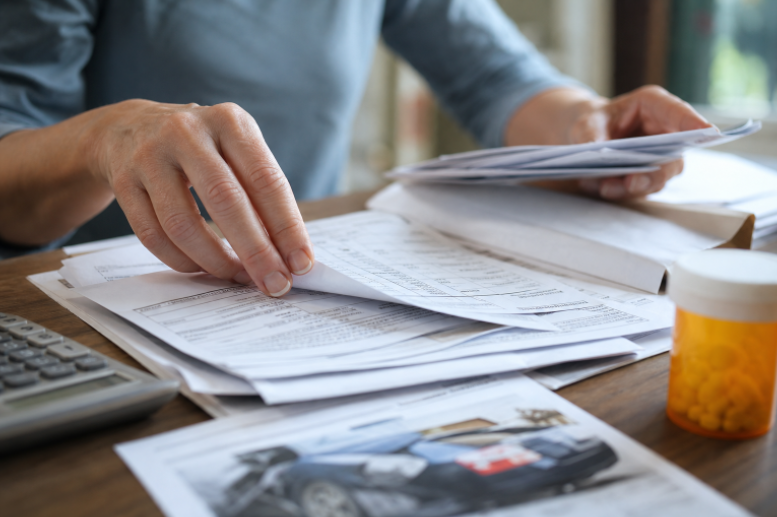
A single crash file can prevent small details from disappearing during a stressful period. Use a paper folder, a secure digital folder, or both. Name files clearly and back up photos and videos before replacing or repairing your phone.
- Police report information and incident number
- Medical records, bills, and prescription receipts
- Insurance letters, emails, and claim documents
- Repair estimates, tow invoices, and rental records
- Photographs, videos, and witness contact details
- Work absence records and a simple symptom or expense journal
Know When Professional Guidance May Help
Professional guidance may be worth considering when injuries are serious, fault is disputed, several vehicles are involved, a claim is denied, or a settlement document arrives before the full impact of the crash is clear. A person may also need help sorting through medical bills, insurance obligations, or paperwork after a collision. Seeking information early does not mean you have decided to make a legal claim. It can simply help you ask better questions and avoid making a rushed decision while you are still dealing with vehicle damage, treatment, or missed work.
Avoid Common Mistakes After a Crash
- Posting detailed crash or injury updates on social media
- Admitting fault or speculating about what happened
- Ignoring pain because the vehicle damage appears minor
- Discarding receipts, damaged property, or medical paperwork
- Missing treatment appointments without documenting the reason
- Accepting quick payment without reading the full terms
- Waiting too long to learn about deadlines that may affect available options
Final Checklist
After a Detroit-area crash, taking one step at a time can make an overwhelming situation easier to manage. Start by getting to a safe location when possible and calling emergency services if anyone needs immediate assistance. Seek appropriate medical care even when injuries do not seem serious at first, since some symptoms may become noticeable later. Report the collision through the proper channels and preserve useful evidence, including photographs, witness information, vehicle damage, medical records, repair documents, and relevant correspondence. Notify your insurer promptly and keep copies of every claim-related communication, estimate, bill, and form. Creating a clear timeline of what happened and maintaining an organized file can help you keep track of important details as the situation develops. If questions arise about insurance coverage, liability, injuries, or potential losses, appropriate professional guidance may help you understand your options. Staying organized and avoiding rushed decisions can make the post-crash process more manageable while you focus on recovery and the next steps.