Plumbing problems rank among the most disruptive and costly issues homeowners regularly encounter, yet the majority of the most common ones are entirely preventable with consistent care and attention. A burst pipe, severely blocked drain, or failing water heater can quickly escalate from an inconvenience into a genuine household emergency. Understanding how plumbing systems work and which everyday habits put them at greatest risk makes it possible to avoid the majority of problems before they ever begin.
Being Mindful of What Goes Down the Drain
One of the most effective plumbing protection habits involves carefully controlling what materials actually enter drains throughout the home on a daily basis. In the kitchen, avoid pouring cooking grease, oil, or coffee grounds down the sink, as these materials solidify inside pipes and create stubborn blockages that worsen steadily over time. In bathrooms, accumulated hair stands as the primary culprit behind slow-draining sinks and showers in most households. Install drain covers or hair catchers in shower and bathtub drains, and clean them thoroughly after every single use.
Knowing the Location of Water Shut-Off Valves
Every homeowner should know exactly where the main water shut-off valve is located and how to operate it quickly and confidently in an emergency situation. In the event of a sudden leak or burst pipe, the ability to shut off water flow immediately limits property damage substantially and prevents secondary problems like mold growth. Beyond the main valve, individual shut-off valves located beneath sinks and behind toilets allow for localized repairs without disrupting the water supply to the entire home.
Using a Drain Clearing Service Before Problems Escalate
Slow-moving drains frequently signal a developing blockage that will worsen progressively if left unaddressed over time. Rather than waiting for a complete backup to occur, using a drain clearing service at the first noticeable sign of sluggish drainage removes the obstruction before it creates a significantly larger and more disruptive problem. Professional drain services deploy specialized equipment to clear buildup deep within the pipes — buildup that household plungers and chemical drain cleaners simply cannot effectively reach or dissolve.
Protecting Pipes From Temperature Extremes
In climates that experience regular freezing temperatures, protecting exposed pipes from dangerous cold is a critical and non-negotiable prevention step for homeowners. Insulate pipes located in unheated spaces like garages, basements, and crawl spaces thoroughly before winter arrives each year. During extended cold snaps, allow faucets connected to exterior walls to drip slowly to keep water moving through pipes and reduce the risk of freezing and catastrophic rupture. Pay attention to any blocked drain that results from ice formation in exterior or poorly insulated lines.
Checking for Leaks and Addressing Them Promptly
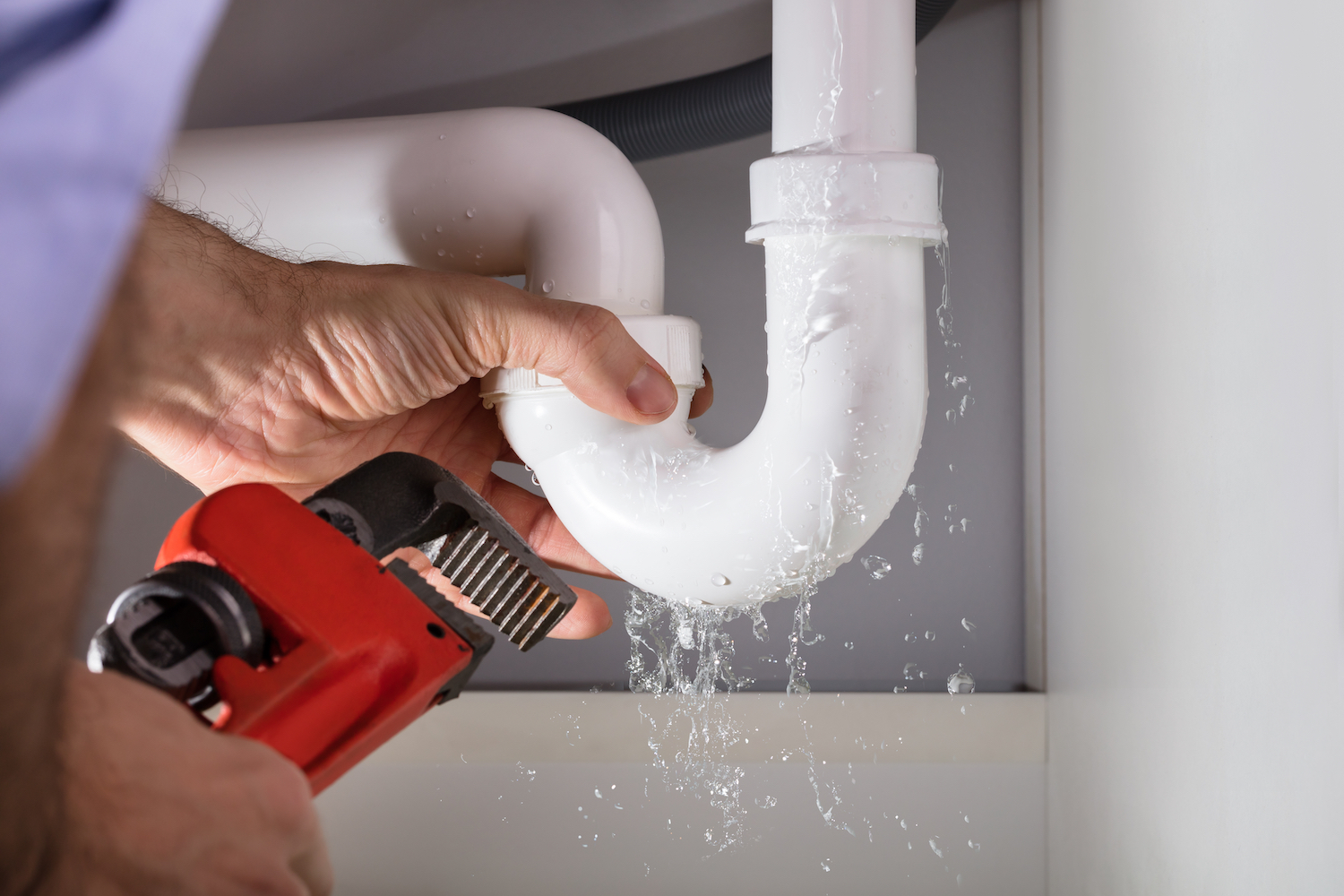
Small leaks frequently go undetected for extended periods because they occur in hidden locations beneath sinks, behind finished walls, or under major appliances. Check under all kitchen and bathroom sinks monthly for signs of moisture accumulation, active drips, or water staining on cabinet interiors. Monitor the home’s water meter for any unusual changes in daily consumption that might indicate a hidden and active leak somewhere in the system.
Conclusion
Preventing plumbing problems at home requires consistent awareness, practical habits, and a willingness to address small warning signs before they develop into serious and expensive issues. Protecting drains, monitoring for leaks, and understanding the plumbing system’s basic layout all contribute to a healthier and more reliable home. A genuinely proactive approach to plumbing care saves significant time, money, and stress over the lifetime of any home.