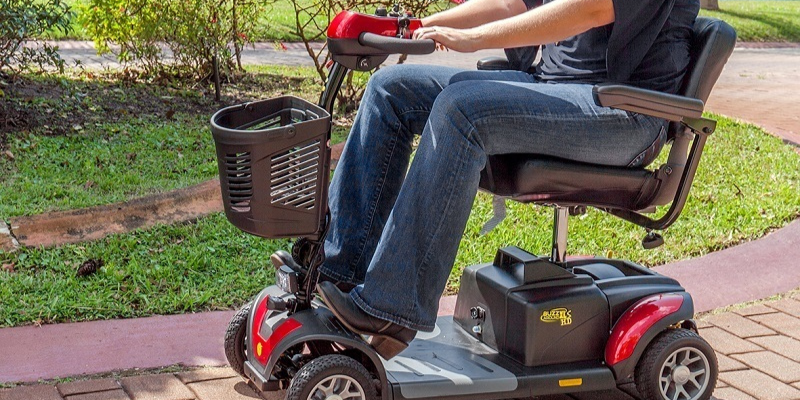
For individuals whose mobility is limited by age, injury, or chronic health conditions, maintaining the ability to move independently through daily environments is fundamental to quality of life, self-esteem, and social participation. Modern mobility scooter designs combine practical functionality with user-friendly controls and attractive styling that allows individuals with mobility limitations to navigate their communities with confidence and dignity.
Who Benefits from a Mobility Scooter
Mobility scooters serve a broad range of users whose ability to walk independently is compromised. Older adults experiencing fatigue, joint pain, or cardiovascular limitations that reduce walking endurance find that scooters extend the distances they can comfortably travel and allow them to remain engaged in community activities that walking limitations would otherwise prevent. Individuals recovering from surgery or injury use scooters as transitional devices during rehabilitation. People with chronic conditions including multiple sclerosis, heart failure, and severe arthritis find that scooters preserve their ability to participate in employment, social activities, and personal errands that would otherwise become impossible or exhausting.
Types of Mobility Scooters and Their Differences
The mobility scooter market offers a spectrum of models designed for different use cases and user needs. Travel scooters are lightweight and designed to disassemble into sections for transport in a car boot, making them ideal for users who need a portable option for occasional use during trips and outings. Mid-size scooters offer a balance of portability and capability, suitable for regular outdoor use. Full-size heavy-duty scooters provide the stability, ground clearance, and battery range needed for extended outdoor use over varied terrain. Three-wheel scooters offer a tighter turning radius suitable for indoor use, while four-wheel models provide greater stability on uneven outdoor surfaces.
Key Features to Consider When Choosing a Scooter
Selecting the right mobility scooter requires matching the specification to the user’s specific needs and environments. Battery range determines how far the scooter can travel on a single charge, a critical factor for users who need it for extended outings. Maximum weight capacity must accommodate the user comfortably with a margin for safety. Seat comfort, adjustability, and armrest configuration affect how the scooter suits the user’s physical dimensions and any postural support needs. Turning radius determines whether the scooter can be used practically in the indoor environments where the user needs it. Portability and storage requirements affect which models are practically usable given the user’s transportation and home storage situation.
Safe Operation and Road Awareness
Mobility scooters share public spaces with pedestrians, cyclists, and in some contexts vehicles, making safe operation an important responsibility for users. Understanding the applicable rules for pavement and road use in the relevant jurisdiction, operating at appropriate speeds for the environment, and being aware of hazards including kerbs, uneven surfaces, and surface water all contribute to safe use. Users with vision, hearing, or reaction time limitations that might affect their ability to operate a scooter safely should discuss these factors honestly with their healthcare provider and the scooter supplier to determine whether additional assessment or training would be beneficial.
Maintenance and Long-Term Care
Regular maintenance preserves mobility scooter performance and extends the useful service life of the equipment. Battery care is particularly important, as lithium and sealed lead-acid batteries both benefit from proper charging practices and storage conditions that prevent premature capacity loss. Tyre pressure, brake adjustment, and regular inspection of steering and seating components ensure that the scooter remains safe and comfortable to use. Many mobility equipment suppliers offer service contracts that include periodic professional inspection and maintenance, providing users with confidence that their equipment remains in optimal condition without requiring technical expertise they may not have.
Conclusion
Mobility scooters represent a transformative technology for individuals whose quality of life is limited by reduced walking ability. By restoring independent movement through daily environments, they enable social participation, errand completion, and personal autonomy that walking limitations would otherwise deny. Selecting the right model for a user’s specific needs, operating it safely, and maintaining it properly ensures that a mobility scooter delivers maximum benefit throughout its service life.