Key Takeaways
- Identify and address common boat engine issues to prevent unexpected breakdowns.
- Regular maintenance and inspections are crucial for engine longevity.
- Understanding basic troubleshooting steps can save time and money.
Table of Contents
- Engine Won’t Start
- Engine Overheating
- Engine Stalls or Loses Power
- Unusual Noises or Vibrations
- Electrical Issues
- Fuel System Problems
- Regular Maintenance Tips
- When to Seek Professional Help
Keeping your boat engine in top condition is crucial for a safe and stress-free experience on the water. When engine troubles arise, knowing how to identify and address them can make the difference between a quick fix and an interrupted trip. Whether you are a new boater or a seasoned mariner, understanding the basics of diagnostics and practical fixes is essential. For those tackling larger projects, reliable marine plumbing parts and supplies can make all the difference.
Routine maintenance not only keeps your boat running but also helps prevent costly repairs down the line. With a practical approach and the right troubleshooting steps, boat owners can enjoy more time on the water and less time docked with engine woes. From fuel and electrical issues to cooling problems, a careful inspection and timely intervention can restore your engine to optimal performance.
This comprehensive guide will show you how to quickly handle the most common issues affecting boat engines, offering step-by-step solutions to help you resume your adventures as soon as possible. Preparation and knowledge are your best allies in ensuring a smooth boating experience.
Boaters of all experience levels benefit from understanding the signs of engine distress. Addressing problems early not only preserves your boat’s value but also contributes to everyone’s safety onboard. Stay proactive to avoid frustrating breakdowns when you least expect them.
Engine Won’t Start
Few things are as frustrating as turning the key and getting no response from your engine. Boat engines that refuse to start often suffer from similar issues, many of which are solvable without professional help.
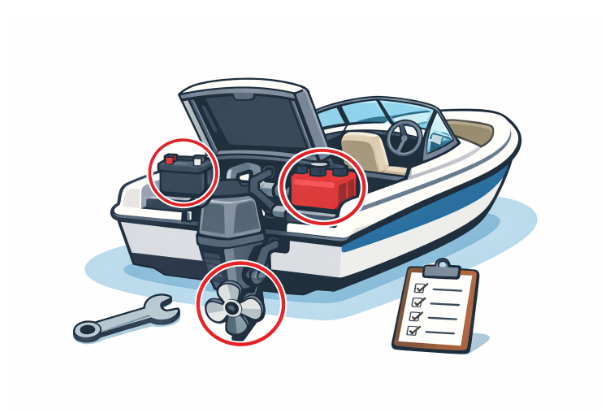
- Battery Issues: Always check that the battery is fully charged, and examine terminals for corrosion or loose connections. Clean and tighten as needed to restore contact and power flow.
- Fuel Supply: Low or stale fuel, as well as obstructed fuel lines, commonly cause engines to stall at start-up. Inspect the fuel tank, replenish fresh fuel if needed, and examine the fuel filter for clogs.
- Ignition System: Faulty spark plugs or failing ignition coils are regular culprits. Inspect each spark plug, replace those that are fouled or worn, and ensure the ignition wiring is intact.
For a thorough starter checklist and troubleshooting tips, visit Haynes Manuals.
Engine Overheating
Engine overheating is a serious concern that can lead to permanent damage if left unchecked. Several key problems contribute to overheating:
- Impeded Water Flow: Debris or marine growth at the water intake can restrict water flow. Clear the intake screen before each outing.
- Faulty Impeller: The rubber impeller pumps cooling water throughout the engine. If cracked or worn, replace it promptly to restore circulation.
- Thermostat Issues: Thermostats help regulate engine temperature. If malfunctioning, the coolant may not circulate properly, so periodic checks and replacements are wise.
Consistent inspection and basic care of your engine’s cooling system can extend its life. More in-depth advice is available at Boating Magazine.
Engine Stalls or Loses Power
Sudden power loss or frequent stalling can occur when the engine is starved of fuel, air, or both.
- Fuel Contamination: Water, dirt, and debris in the fuel tank compromise performance. Use a fuel-water separator and replace filters regularly.
- Air Intake Blockage: Always inspect and clean the air filter to ensure adequate oxygen reaches the engine.
- Propeller Issues: Bent, fouled, or damaged propellers increase the engine’s workload. Inspect the propeller before your trip and clear any debris or repair as needed.
Unusual Noises or Vibrations
Abnormal sounds and vibrations can be early warnings of mechanical problems. Prompt attention can prevent more extensive damage.
- Loose Components: Periodically check for and tighten any bolts or fittings that may have vibrated loose during use.
- Worn Bearings: If you hear grinding or knocking, worn bearings could be to blame. These need to be replaced to avoid further issues.
- Propeller Damage: Dings, cracks, or bends in the propeller can throw the engine out of balance, leading to more serious issues if left unaddressed.
Electrical Issues
From dead gauges to erratic engine behavior, electrical problems are often traced to poor connections or damaged wires.
- Corroded Connections: In a marine environment, corrosion is a constant enemy. Treat terminals regularly and keep connections tight.
- Blown Fuses: Check the main panel and inline fuses, replacing any that have blown due to short circuits or overloads.
- Faulty Wiring: Look for frayed, melted, or otherwise damaged wires, particularly in high-traffic areas with frequent vibration.
For step-by-step electrical troubleshooting, Practical Sailor offers a detailed guide: Marine Electrical Systems Troubleshooting Fundamentals.
Fuel System Problems
A well-maintained fuel system is at the heart of smooth engine performance. Several preventable issues can lead to power loss or engine hesitation.
- Clogged Fuel Lines: Regular cleaning and annual inspections can prevent blockages that impair fuel flow.
- Stale Fuel: Gasoline degrades over time, especially when left in the tank between seasons. Use a fuel stabilizer or drain and replace old fuel to minimize buildup.
- Leaking Fuel Lines: Inspect for wetness, a strong gasoline odor, or visible leaks. Resolve leaks immediately, as they are both a performance and a safety hazard.
Regular Maintenance Tips
Consistent attention to your boat engine dramatically reduces the risk of unexpected issues:
- Routine Inspections: Check the engine, hoses, and connections each time before and after boating.
- Oil Changes: Follow the manufacturer’s service schedule. Keeping oil fresh and clean prevents premature engine wear.
- Cooling System Maintenance: Flush the cooling system regularly, especially if you use your boat in saltwater, to protect against corrosion and salt buildup.
When to Seek Professional Help
While basic troubleshooting can resolve many engine problems, know when to call in an expert to avoid more costly mistakes:
- Persistent Problems: If symptoms return after repairs, a hidden or more complex issue may be present.
- Complex Repairs: Internal engine work, sophisticated electronics, or severe wiring problems should only be addressed by professionals.
- Safety Concerns: Never risk personal safety or damage to your boat by extending beyond your repair knowledge or ability.
For deeper insights into marine engine safety and maintenance, check the advice from experts at BoatUS.
Learning the basics of engine troubleshooting equips you with the confidence and skill to keep your boating adventures uninterrupted. Preventive care, vigilant inspections, and knowing when to get professional support help you maintain your boat’s reliability for many seasons to come.