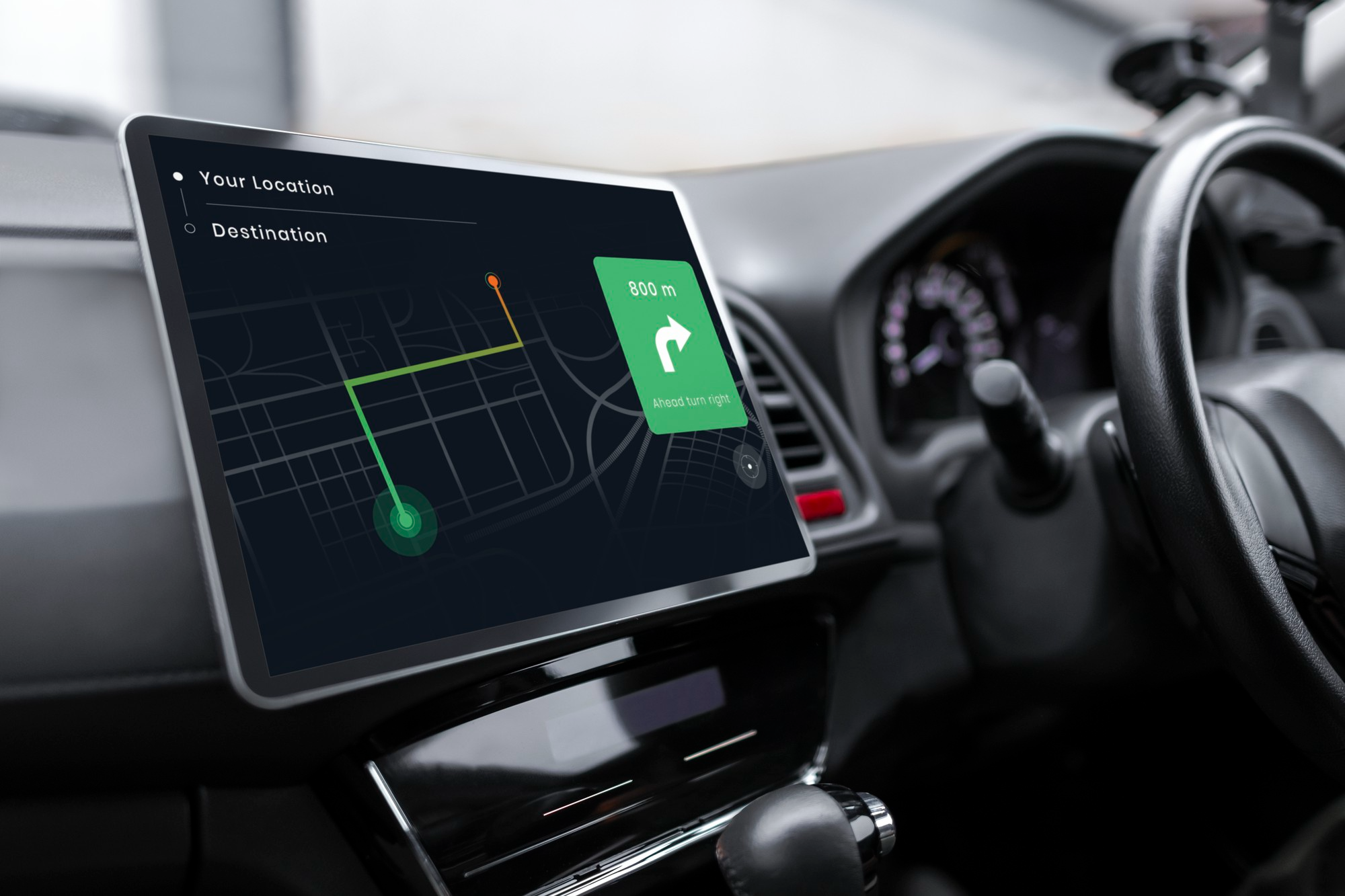
Automotive infotainment systems have completely changed the way we interact with our vehicles. In the past, this technology was limited to AM/FM radios. But now, the technology integrates entertainment, navigation, and even voice assistants into a single digital system.
This is the continuation of a trend where vehicles are becoming more reliant on software. In today’s article, we’ll discuss how this technology works, its benefits, and where the infotainment market is heading. Let’s get started.
Key Components of Infotainment System for Cars
So, modern infotainment for cars leverages advanced technologies to enhance safety and convenience for riders. Human-machine interfaces are very common. They include voice assistants and physical controls that reduce distraction.
Similarly, platforms like Android Automotive OS and QNX are fundamental operating systems that run all other applications. Connectivity modules are also very common in modern systems. They can provide 5G, 6G, and Wi-Fi connections so riders can stay updated with the world 24/7.
And with the advent of AI, power adaptive user experiences have taken center stage. They learn driver behaviors and predict actionable insights.
Major Benefits of Infotainment System
First of all, this system minimizes the need for a physical phone by offering hands-free calling and text-to-speech. Even the backup camera feeds can be integrated directly into the dashboard display.
The mirroring technologies in this system allow users to easily access a range of mobile phone apps, such as Google Maps and Spotify. Riders can also get real-time traffic updates and hazard warnings. As a passenger, you can enjoy a range of multimedia options, including digital radio and video playback on longer trips. Lastly, drivers can customize lighting and climate zones from a single command center without pressing multiple buttons.
What the Market Says
The global in-vehicle infotainment market is roughly $35 billion. And it will grow by 6-7% in the coming years as companies shift towards software-defined vehicles. As for the market leaders, the Asia-Pacific region dominates global market share because major tech hubs are located there.
Also, this system is mostly being used in passenger cars where more people can benefit from the central hub.
Not All Infotainment Systems Are the Same
Understand that infotainment systems are not equal because different car companies build them differently. For example, certain car makers develop software slowly and can’t match the billions of dollars phone makers spend on new technologies.
Similarly, some cars hide features like air conditioning inside touch-screen menus, which forces you to look away from the road. Modern systems have physical buttons for those instant tasks.
Certain screens may also not perform well in bright sunlight or freezing cold. Some car companies also want to keep your data to analyze how you drive. Because of this, some companies avoid using phone projection systems altogether.
Final Thoughts
This technology is genuinely groundbreaking as it completely changes the rules of the game. Customers don’t hesitate to pay more if they can get advanced dashboard features.