A poorly handled air duct cleaning job can leave a homeowner with more problems than before. Torn ductwork, dust scattered through living spaces, and damaged HVAC components are all possible when technicians use the wrong equipment or skip important steps. Understanding these risks makes it easier to recognize proper cleaning practices and avoid paying for work that causes unnecessary damage.
Aggressive Cleaning Tools Can Damage Duct Materials
Not every ventilation system can withstand the same cleaning equipment. Rigid metal ducts generally tolerate mechanical brushing, but flexible ducts contain thin inner liners that can tear under excessive pressure. Internally insulated ductwork also requires careful handling because stiff brushes may damage its protective surface. Once these materials deteriorate, exposed insulation fibers or loose liner fragments can enter the airflow.
Technicians should inspect duct construction before selecting brushes, air whips, or other cleaning tools. Using excessive force around elbows and connections can loosen joints or puncture flexible sections. Homeowners arranging duct cleaning in Brentwood, TN should ask whether the company adjusts its methods according to the duct material rather than applying one approach throughout the entire system.
Poor Dust Containment Can Make Indoor Air Dirtier
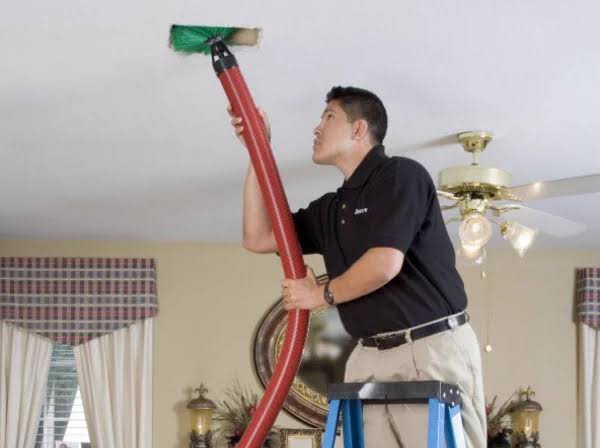
Professional air duct cleaning should capture loosened debris instead of releasing it into occupied rooms. Without adequate negative pressure, brushing can scatter dust through supply registers and return openings. This may temporarily increase airborne particles and leave furniture, floors, and nearby surfaces covered with material that was previously settled inside the ducts.
Proper duct cleaning services typically use powerful vacuum collection equipment and seal appropriate openings during the process. Technicians also need to manage airflow carefully as they move between duct branches. The best duct cleaners understand that removing debris means little if much of it escapes into the home during cleaning.
Unsealed Access Openings Can Create New Air Leaks
Reaching concealed duct sections sometimes requires technicians to create access openings in suitable locations. These openings allow cleaning equipment to reach longer passages and difficult bends. However, improper sealing afterward can leave gaps that affect HVAC performance. Leaks in supply ducts may release conditioned air into attics or crawl spaces, while return-side leaks can draw unfiltered air from surrounding areas.
Access panels and temporary openings require appropriate sealing materials designed for HVAC ductwork. Ordinary household tape may deteriorate or lose adhesion over time. Homeowners should confirm that technicians inspect their work before restarting the system. A properly completed service should leave duct connections secure rather than introduce new problems.
Cleaning the Wrong Components Can Cause Equipment Trouble
An HVAC system contains parts that require different maintenance procedures. Blower motors, electrical components, cooling coils, and condensate drains should not receive the same treatment as empty metal ducts. Careless brushing or compressed air can damage delicate surfaces, dislodge wiring, or push debris into areas that are difficult to access.
Professional duct cleaning should follow a defined service scope, with separate HVAC maintenance performed when necessary. Homeowners comparing duct cleaning services in Brentwood, TN should ask which components the technicians are qualified to clean. A company that identifies equipment problems and recommends appropriate HVAC service demonstrates better judgment than one that attempts unfamiliar repairs.
Chemical Treatments Can Create Unnecessary Exposure
Spraying disinfectants or deodorizing chemicals into ductwork without a clear reason can introduce another source of indoor pollutants. Certain products may not be approved for use on insulated or internally lined duct materials. Chemical treatments also cannot replace physical debris removal or repair the moisture problems that allow microbial contamination to develop.
Homeowners should question claims that every ventilation system needs sanitizing after cleaning. The best duct cleaners in Brentwood, TN should explain whether a treatment is necessary, identify the product, and confirm its suitability for the intended application. Routine mechanical cleaning generally focuses on removing accumulated material rather than coating duct surfaces with chemicals.
Incomplete Cleaning Can Leave the Original Problem Untouched
A technician who vacuums only visible registers may leave substantial debris farther inside the ventilation system. Return ducts, branch connections, and difficult bends can contain deposits that require specialized equipment to reach. Homeowners may pay for a full service without receiving the cleaning described in their estimate.
Documentation makes incomplete work easier to recognize. Before-and-after photographs, clear service descriptions, and explanations of inaccessible sections give homeowners useful evidence of what technicians accomplished. Residents considering air duct cleaning in Brentwood, TN should also ask how the company protects furnishings, contains debris, and verifies completed work.
Choosing a Company That Protects the Ventilation System
Reliable cleaning begins with understanding the condition and construction of the ductwork. Homeowners searching for professional duct cleaning should prioritize technicians who use suitable equipment, maintain proper containment, and seal access openings correctly. The goal is to clean air ducts without weakening the system or creating additional maintenance expenses.
Serving Brentwood Tennessee, Mr. B’s Air Duct Cleaning specializes in residential ventilation cleaning using professional equipment designed to remove accumulated dust and debris. Homeowners concerned about improper cleaning methods can discuss their system’s layout and condition with the company before scheduling service. Knowing how technicians approach different duct materials and difficult sections can make the decision easier and reduce the risk of avoidable damage.