Diesel engines power heavy vehicles that carry loads, construction materials, and long-distance freight. When these machines break down, the issue is often deep inside the transmission or drivetrain system. These parts control how engine power reaches the wheels. A skilled diesel mechanic plays a critical role in keeping everything running smoothly. From shifting issues to full drivetrain failure, their work ensures vehicles stay productive and safe on the road. This article explores how these services work and why they matter in real-world operations.
Diesel Mechanic Services Overview For Transmission And Drivetrain Care
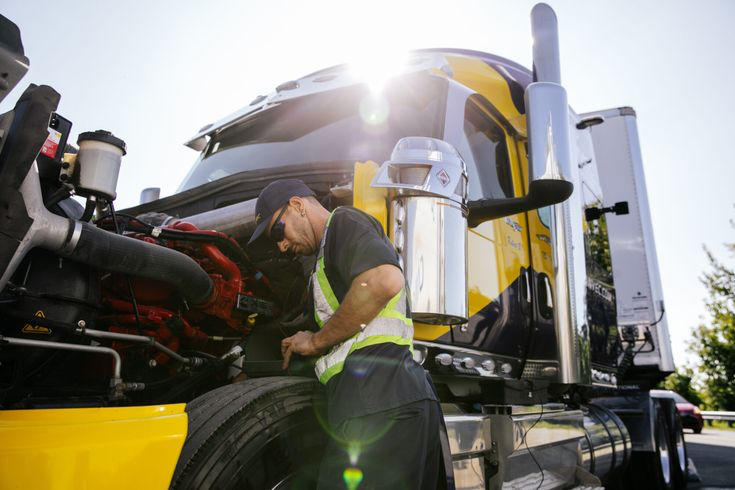
Diesel mechanic services focus on repairing and maintaining heavy-duty engine systems, especially transmission and drivetrain components. A diesel mechanic is a trained specialist who understands diesel engines, gear systems, and torque distribution. They inspect mechanical wear, replace damaged parts, and restore performance. In transmission systems, they handle gear slipping, clutch faults, and hydraulic issues. In drivetrain systems, they ensure power flows efficiently from engine to axle. Their work keeps vehicles stable under heavy load conditions, where precision and durability are essential.
Diesel Mechanic Definition And Transmission Expertise Diesel Mechanic
A diesel mechanic is a professional who diagnoses and repairs diesel-powered vehicles, with strong expertise in transmission systems. Transmission work involves controlling gear ratios so engines operate efficiently under different speeds and loads. A diesel mechanic identifies issues like delayed shifting, overheating, or fluid leakage. They use diagnostic tools and mechanical testing to pinpoint faults. Once identified, they repair or replace components such as torque converters, gear sets, and seals. Their expertise ensures smoother driving performance and reduced mechanical stress.
Diesel Mechanic Transmission Repair Services For Heavy Vehicles Diesel Mechanic
Transmission repair in heavy vehicles is complex due to high torque demands. A diesel mechanic handles these challenges by inspecting gearboxes, checking clutch assemblies, and testing hydraulic pressure systems. Heavy trucks often experience wear due to continuous load stress. The diesel mechanic restores function by replacing worn gears and recalibrating shifting systems. They also ensure transmission fluid quality is maintained to prevent overheating.
Diesel Mechanic Drivetrain Repair And Performance Restoration Diesel Mechanic
The drivetrain connects the engine to the wheels, making it one of the most important systems in a vehicle. A diesel mechanic examines driveshafts, differentials, and axles for damage or imbalance. If vibration or power loss occurs, it often signals drivetrain issues. The diesel mechanic restores alignment, replaces worn joints, and balances rotating components. This improves stability and driving comfort.
Diesel Mechanic Diagnostic Process For Gearbox And Axles Diesel Mechanic
Modern diesel mechanic work relies heavily on diagnostics. When gearbox or axle problems appear, the mechanic begins with computerized scanning and physical inspection. They analyze error codes, test mechanical resistance, and examine fluid conditions. A diesel mechanic then isolates faulty components such as bearings, synchronizers, or axle shafts. This structured approach reduces guesswork and speeds up repair time.
Diesel Mechanic Maintenance Strategies For Long Term Reliability Diesel Mechanic
Preventive maintenance is a key part of diesel mechanic services. Regular oil changes, transmission fluid checks, and drivetrain inspections help avoid major failures. A diesel mechanic often schedules routine servicing to detect early signs of wear. They tighten loose components, lubricate moving parts, and replace filters before damage spreads.
Conclusion
Diesel mechanic services are essential for maintaining transmission and drivetrain health in heavy vehicles. Their expertise ensures that power transfer systems work efficiently under pressure. From diagnostics to full repairs, they handle complex mechanical challenges with precision. Regular maintenance and timely intervention prevent costly failures and extend vehicle life.