This wasn’t even my story. It was this guy I met through a mutual friend, owns a small warehouse with offices attached in Jersey. Really chill personality, but you could tell he had that tired look business owners get. The kind of tired where everything costs money and everything eventually breaks.
He admitted he ignored the roof for years. Not because he was careless, but because… who actually thinks about their roof when it’s doing its job? Roofs are invisible when they work. Too invisible. They’re like that employee who never complains, never makes mistakes, and then one day they’re gone and suddenly the whole system falls apart.
That’s usually when people start panic-Googling commercial roofing services. And panic-Googling is how you make bad decisions. You’re stressed, there’s water dripping from your ceiling, employees are looking at you like you’re responsible for the weather… you end up calling whoever picks up first.
He said he almost hired some random company with flashy ads and no real reviews. What stopped him, weirdly enough, was a Facebook group. Someone posted something like, “Who actually shows up on time and doesn’t disappear after taking a deposit?” and the replies turned into group therapy for burned business owners. Horror stories everywhere. Half-finished jobs. Surprise charges. Contractors vanishing mid-project.
But a few company names kept popping up, and people weren’t just saying “they’re good.” They were saying things like, “They fixed our flat roof two years ago and it’s held up through multiple storms.” That’s the kind of feedback you trust more than any ad.
One thing he learned the hard way: commercial roofing is not just “bigger version of house roofing.” Different materials, different systems, different stakes. A leak in your living room is annoying. A leak in your office, warehouse, restaurant, server room? That’s chaos. Equipment damage, insurance problems, possible shutdowns.
I remembered reading this random facilities management article once (no idea how I ended up there) that said roof-related water damage is one of the top causes of unexpected commercial property expenses. And it makes sense. It’s not dramatic, it’s just expensive reality.
He told me, “I thought I was saving money by waiting. I actually just made it more expensive.”
That sentence applies to almost every maintenance issue on Earth.
Roof problems don’t slowly improve. They quietly get worse while you’re not looking. Tiny cracks turn into moisture issues. Moisture turns into structural issues. And most of it happens in layers you can’t even see unless someone climbs up there and shows you pictures.
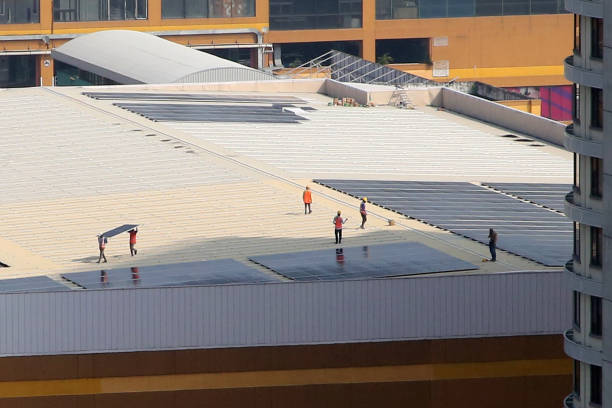
When he finally hired a proper team that actually specializes in commercial roofing services, he said the difference was obvious immediately. Not just better tools, but better behavior. They asked a ton of questions. They took photos. They explained what needed fixing now vs what could wait. They didn’t just walk in and say, “Yeah, you need a full replacement,” like some companies do the second they sense budget.
That kind of honesty builds trust fast.
It reminded me of good mechanics. The good ones don’t make you feel dumb. They don’t talk over your head. They explain it in normal language. Like, “This part is worn the same way tires wear when alignment’s off.” Good roofers apparently do the same thing. They translate technical stuff into something you can actually understand.
He said something else that made me laugh: after the job was done, he became that guy who notices roofs everywhere. We were walking past a strip mall and he goes, “See those bubbles? That’s trapped moisture.” Once you learn what bad roofing looks like, you can’t unsee it. Sagging lines. Weird stains. Bad drainage. It’s like learning a new word and suddenly hearing it in every conversation.
There’s this idea online that all roofing companies are basically interchangeable. TikTok probably made that worse. Everyone posts those satisfying tear-off videos and time-lapses, which are cool, but they make it look simple. Real commercial roofing jobs involve scheduling around operating hours, safety rules, permits, choosing materials based on the building, planning for long-term maintenance. It’s not just “put stuff on roof, done.”
He admitted he still doesn’t fully understand everything about his roof. And honestly, why would he? He’s running a business, not studying construction science. But he does understand this now: ignoring it was a mistake, and hiring cheap random labor is a risk he’s not willing to take again.
The biggest benefit, he said, wasn’t even the repair itself. It was the peace of mind. No more buckets. No more watching the ceiling during storms. No more employees joking about bringing umbrellas to work.
And that part stuck with me. Because people don’t talk about that enough. The value isn’t just in fixing the problem. It’s in removing that background stress you’ve been carrying around without realizing it. When your building stops betraying you, you get mental space back. You stop checking the weather app like it’s a threat report. You just… function normally again.